
Vulnerability Management Isn't Security - And It Never Was


OpenAI’s introduction of “Daybreak” - abcs even more clearly, Mythos. - signals something important for the industry: cybersecurity is entering an era where AI-native defense capabilities will dramatically accelerate how organizations identify, prioritize, and remediate risk.
That’s exciting. It’s also incomplete.
The Myth of "Zero Vulns" as Security Maturity
For years, the security industry has sometimes conflated vulnerability management with security maturity itself. But experienced CISOs know the difference. Mature security programs were never defined by getting to “zero vulns” - an impossible and often meaningless metric. They were defined by judgment: understanding exposure, business context, compensating controls, operational realities, and where risk matters (is it even running in my env?!).
AI Will Reshape Vulnerability Management - But That's Not the Whole Story
AI will absolutely improve vulnerability discovery, triage, and remediation velocity. Frontier models, autonomous tooling, and AI-assisted secure development will change the economics of defense. That’s a meaningful step forward.
But vulnerability management alone is not security. And it certainly is not AI safety.
The Parallel Challenge: Securing the Models Themselves
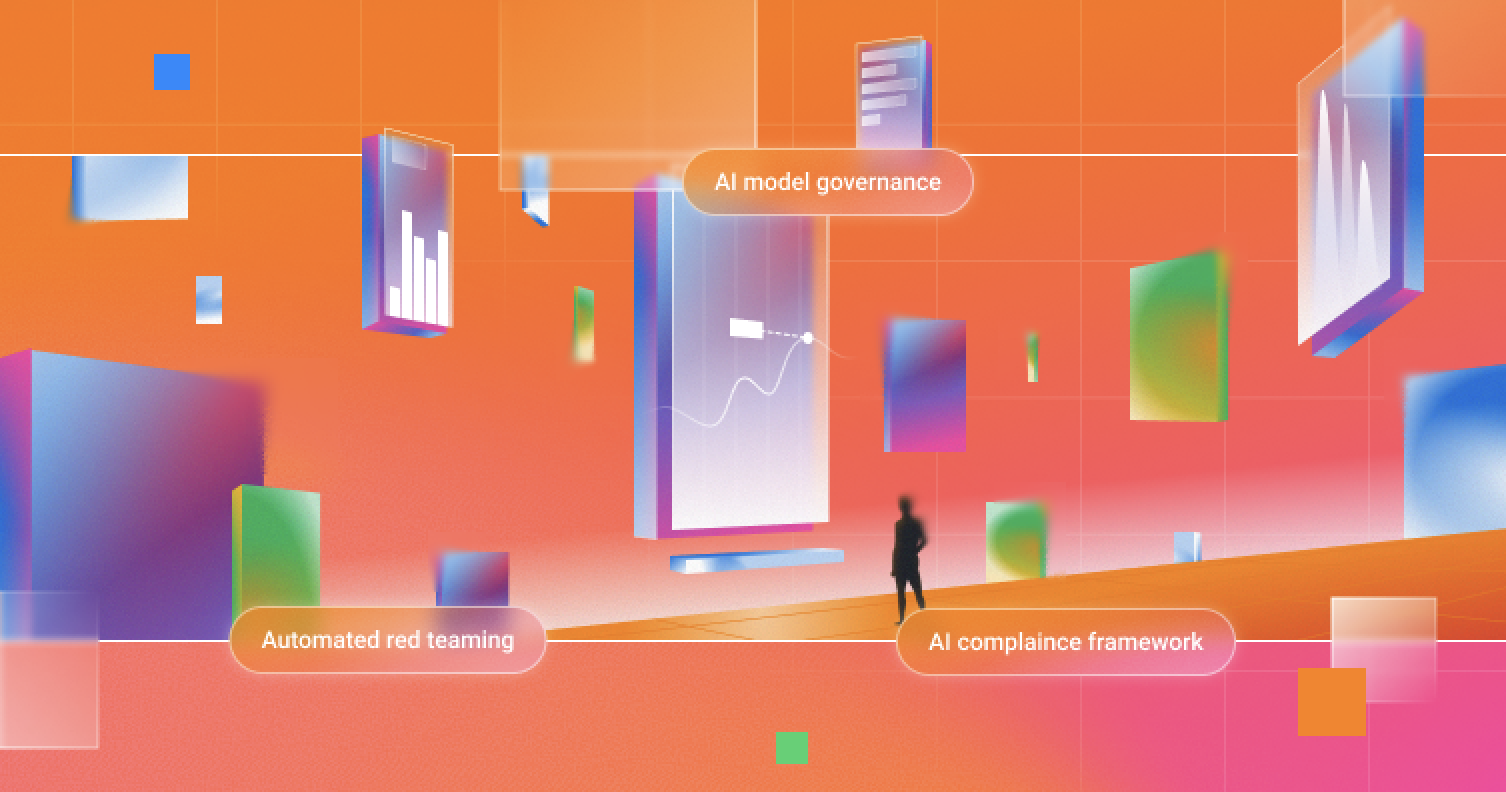
As enterprises adopt AI systems, a parallel challenge emerges: securing and governing the models themselves. That means guardrailing AI behavior, red teaming for misuse and adversarial manipulation, validating agentic workflows, monitoring model drift, and continuously evaluating both safety and security outcomes. Traditional AppSec and VM programs were not designed for this layer of risk.
This is where the next phase of cybersecurity maturity begins.
Security Leaders Now Have 5 Reasons To Think About:
.png)
AI Raises the Premium on Experienced Security Judgment
The important shift is not that AI replaces security leadership. It’s that AI raises the premium on experienced security judgment.
The organizations that succeed in this next era will not simply automate ticket closure faster. They will combine AI acceleration with mature decision-making, governance, and operational discipline.
Good judgment never goes out of style.
From Static Vulnerability Management to Continuous, AI-Aware Defense
What’s happening now is a natural progression for the industry: moving from static vulnerability management toward continuous, adaptive, AI-aware defense. That evolution is necessary - and genuinely exciting - for security leaders willing to embrace it thoughtfully.
The Future: Trustworthy AI Inside Mature Security Programs
At Enkrypt AI, we believe the future of cybersecurity is not just faster remediation. It’s trustworthy AI systems operating inside mature security programs that understand both safety and security as related disciplines serving the mission, with good judgment from both humans and systems.
Frequently Asked Questions
Vulnerability management identifies and remediates software flaws, but security maturity requires judgment about exposure, business context, and compensating controls. Vulnerability management alone does not address AI safety or model governance.
- VM focuses on finding and closing tickets faster.
- Security maturity requires understanding operational risk and context.
- AI systems need guardrailing beyond traditional vulnerability scanning.
Securing AI models requires guardrailing behavior, red teaming for misuse, validating workflows, monitoring drift, and continuous safety evaluation—layers traditional AppSec programs were not designed for. Red teaming across 300+ risk categories identifies adversarial and misuse vectors specific to AI agents.
- Red team models for prompt injection and data exfiltration risks.
- Deploy runtime guardrails to block unsafe actions in real time.
- Monitor model behavior drift and safety outcomes continuously.
Vulnerability management patches code flaws; AI governance secures and controls model behavior, safety, and compliance across deployments. AI governance is a parallel discipline that addresses model misuse, hallucination, data leakage, and policy enforcement.
- VM remediates known software vulnerabilities in applications.
- AI governance guardrails model outputs and enforces safety policies.
- Both are required for mature AI security programs.
Enkrypt AI provides real-time, policy-based guardrails for AI agents, LLMs, and multimodal systems, combining red teaming, runtime protection, and centralized policy management. The platform reduces manual compliance effort by up to 90% and benchmarks 200+ LLMs on safety and security. Centralized policy engines enforce security and compliance rules across all agent deployments.
- Red team agents across 300+ risk categories before production.
- Block hallucinations, data leakage, and unsafe tool use at runtime.
- Align with NIST AI RMF, MITRE ATLAS, and EU AI Act frameworks.
Securing AI models requires judgment that goes beyond traditional vulnerability scanning. See how Enkrypt AI governs model behavior and validates agentic workflows by booking a demo for your environment, or start a free trial to explore it yourself.



.svg)