Approve vendor AI in days, not weeks - and know when it changes

Replace questionnaire ping-pong with a Vendor Risk Packet, continuous drift monitoring, and a Renewal Memo you can forward — all backed by enforceable controls and evidence.
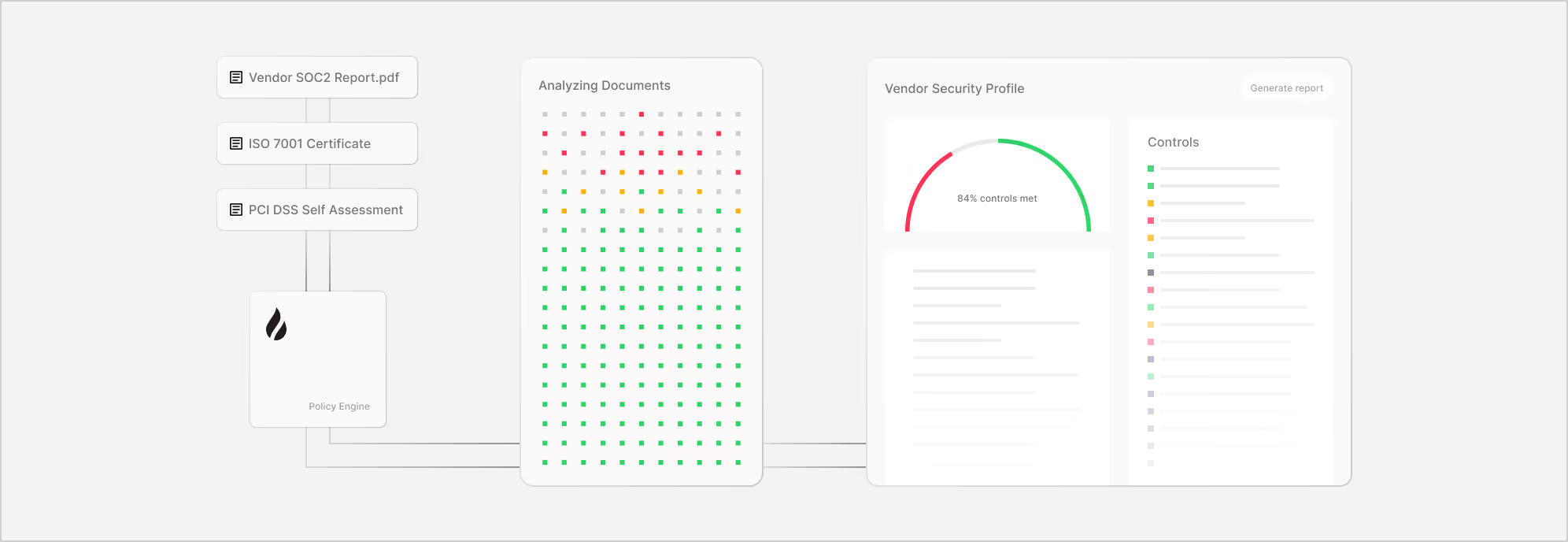
Procurement needs an AI risk decision before renewal

Security finds embedded AI with unclear data boundaries

Vendor changes models or connectors without notice

Your AI risk surface isn't just what you build. It's what you buy.

Model providers, copilots, embedded AI inside SaaS products, and third-party MCP servers your teams connect to — all introduce risk that questionnaires can't capture.

Questionnaires don't reflect reality

Static questionnaires capture what the vendor says today. But models, prompts, policies, and connectors change constantly — and your risk assessment doesn't update.

Embedded AI is a black box

SaaS vendors ship AI features you can't inspect. You still need to know what data leaves your environment, what the model can produce, and who controls retention.

Renewals are opinion-based

Without receipts and evidence, every renewal and incident review is a scramble. Teams dig through Slack and screenshots instead of exporting a packet.

Assess before approval. Monitor drift. Operate with evidence.

Three stages that replace questionnaire cycles with enforceable controls and continuous visibility.
Conversation agents

Three artifacts that replace questionnaire cycles

Circulate internally, keep current with drift monitoring, and walk into renewals with evidence.

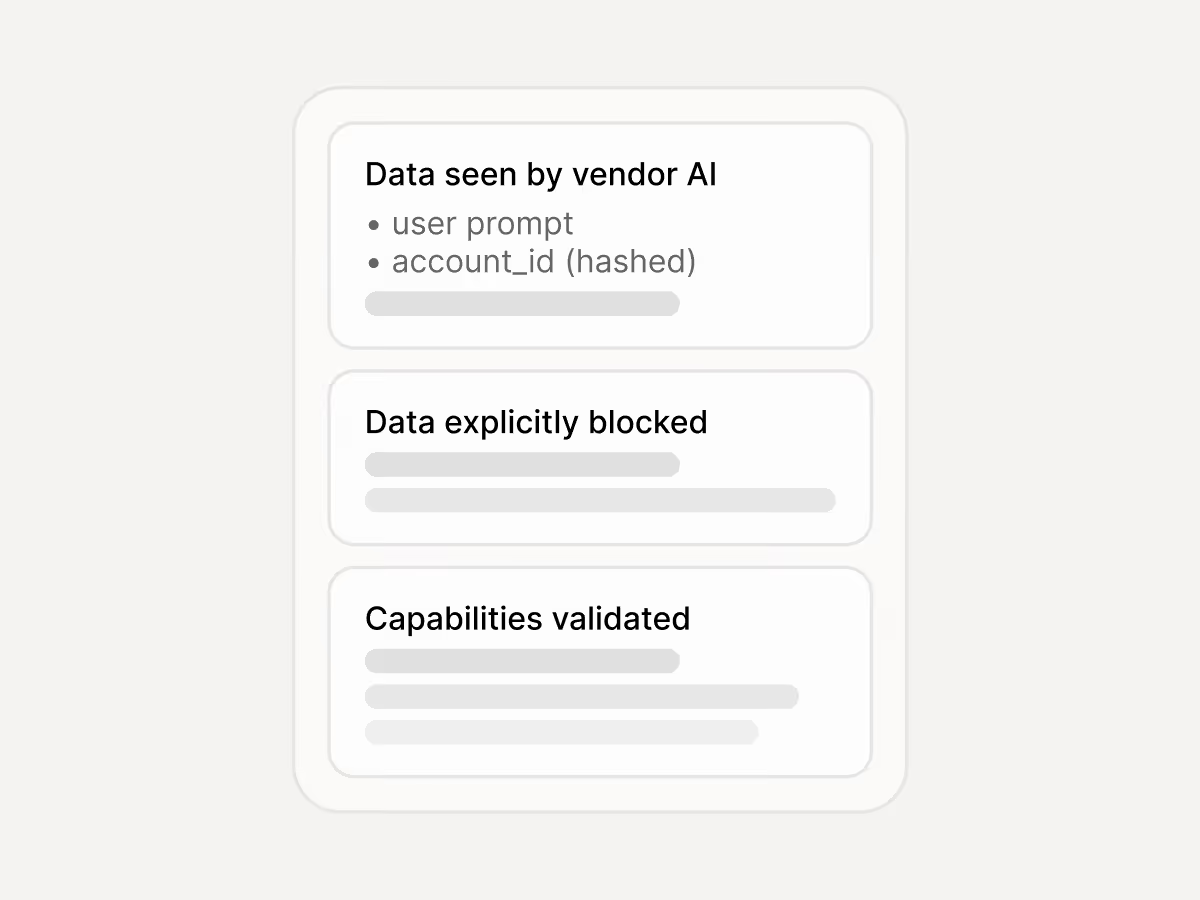
Vendor Risk Packet
The forwardable artifact for initial approval.
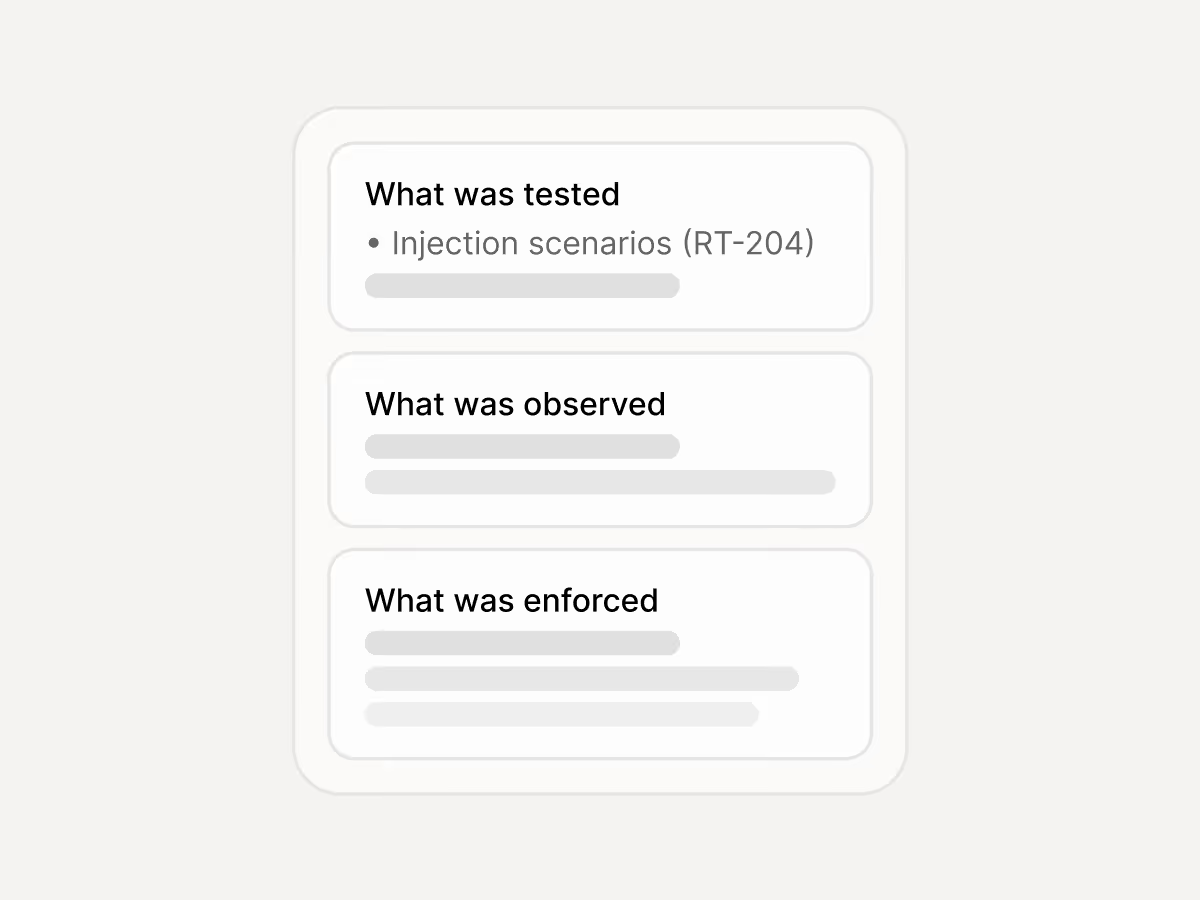
Decision summary (approve / conditional / block)
Intended use and data boundaries
Findings and required mitigations
Sign-off record
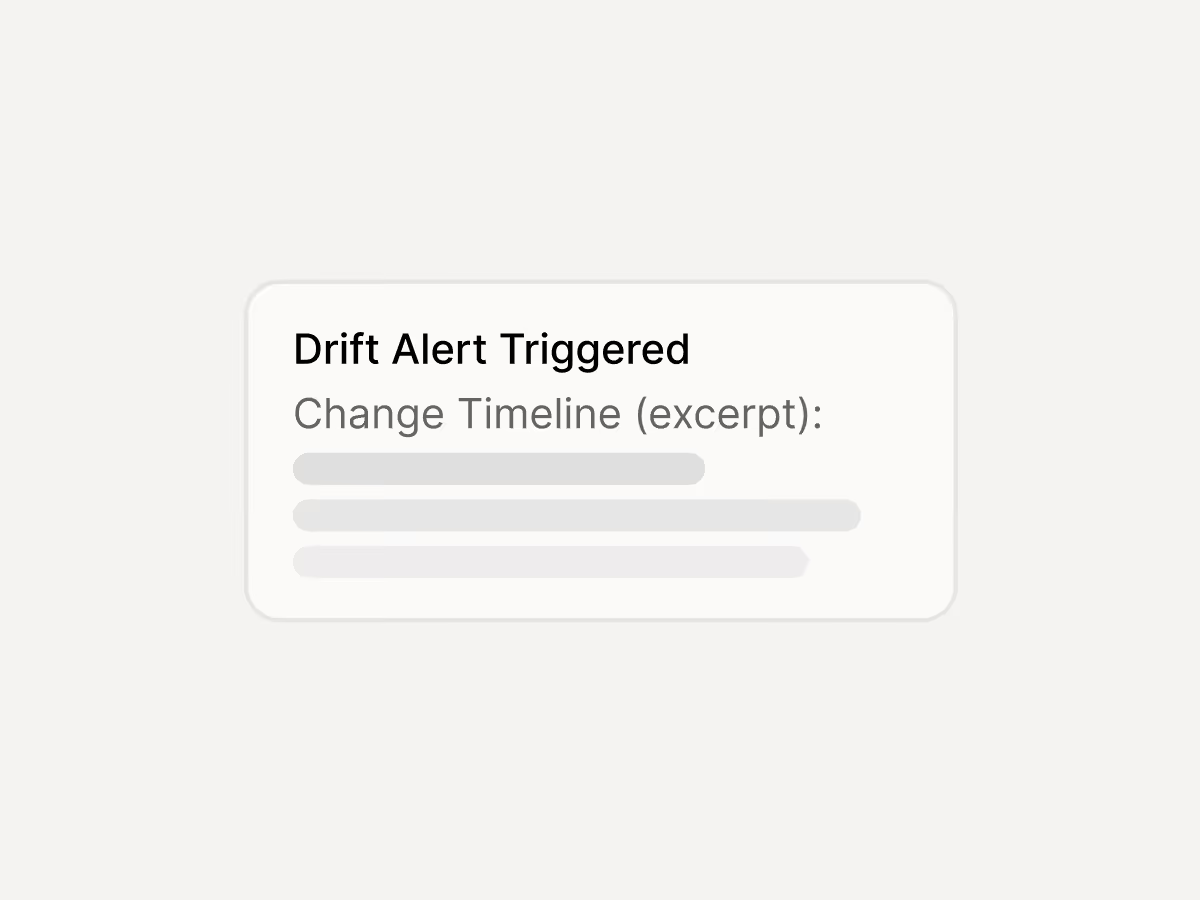
Drift Timeline
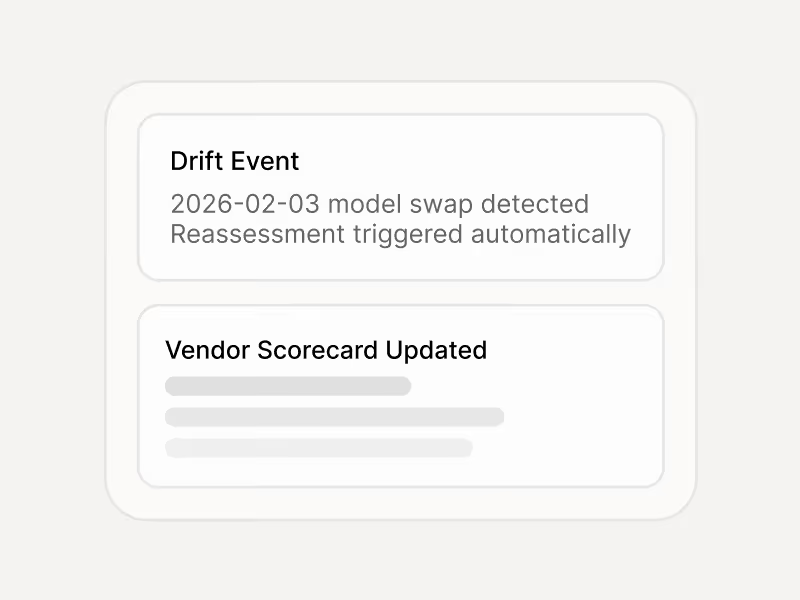
Continuous record of what changed and when.
Model and feature changes
Connector and tool additions
Signal deltas and triggered reassessments
Decision history (CSV / JSON)
Renewal Memo
Walk into renewals with evidence, not opinions.
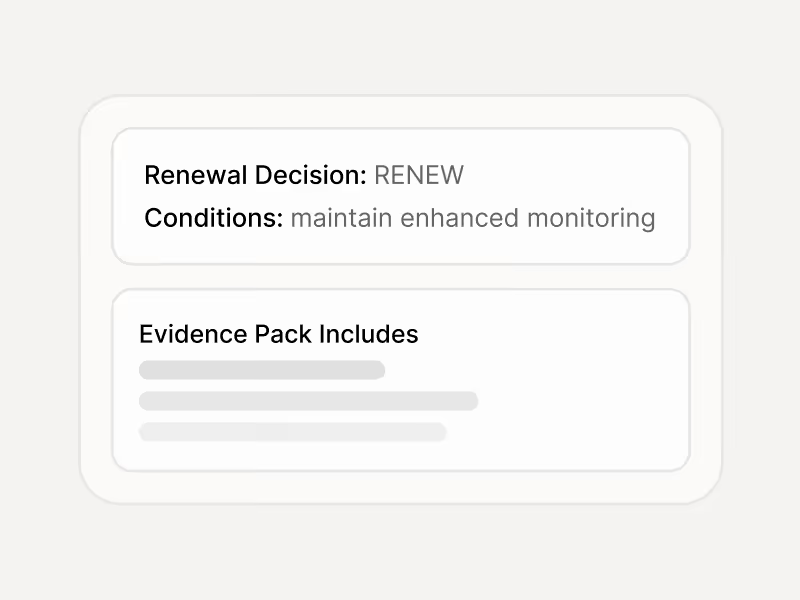
Renew / conditional / block recommendation
Evidence highlights since last review
Contract requirements and open risks
Next review cadence

Fits into your existing vendor review process

Six stages — from intake to renewal — with evidence generated at every step.

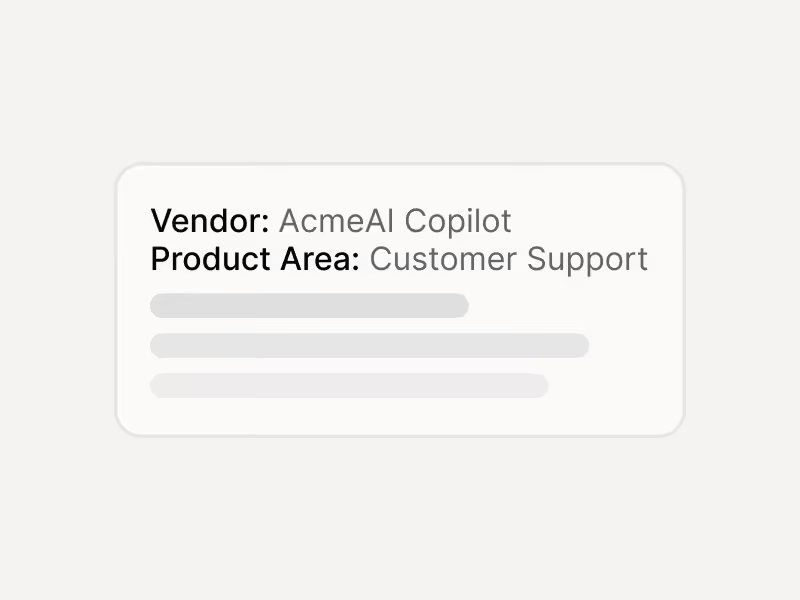
1) Intake

Vendor, feature, intended use, data boundaries
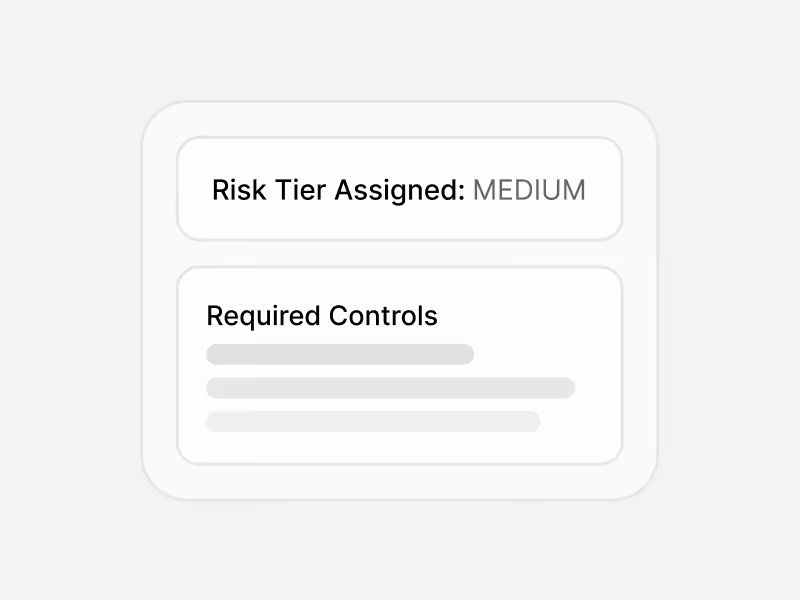
2) Classify

Risk tier + required controls from policy
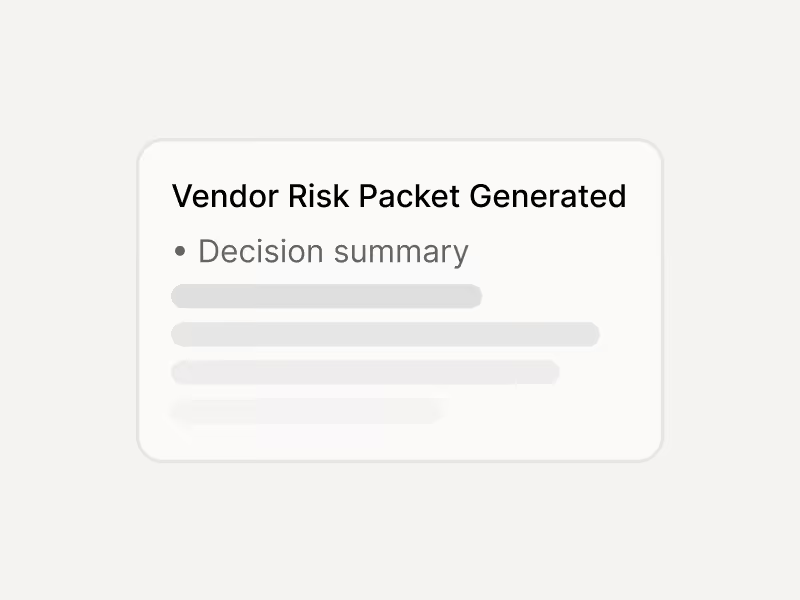
3) Assess

Validate + generate Vendor Risk Packet
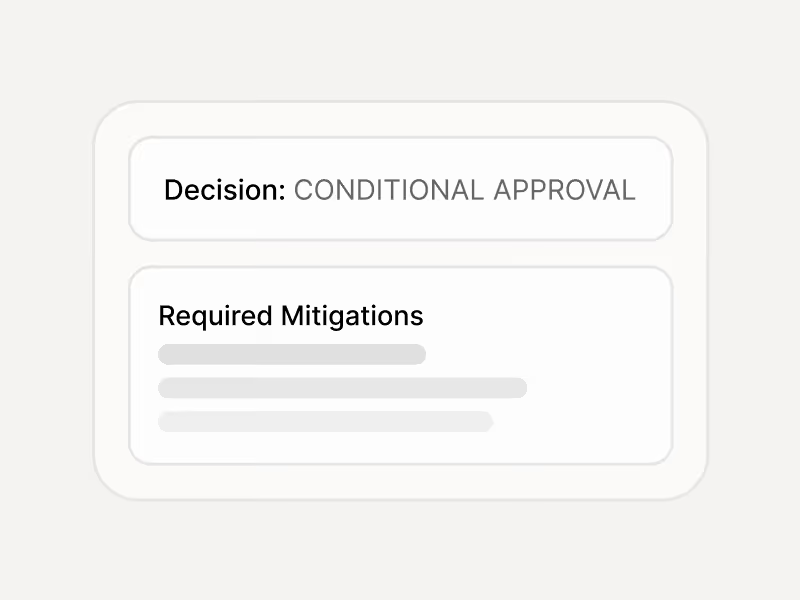
4) Approve

Approve / conditional / block with mitigations
5) Monitor

Detect drift + update scorecards

6) Renew

Export Renewal Memo + Evidence Pack

Actions, not just alerts

When vendor behavior shifts, teams choose response options by risk tier — from scope restrictions to full blocks.

Restrict scope

Limit by tenant, feature, data type, or geography until remediated.

Add approval gate

Require human approval for high-risk actions or outputs before they execute.

Enforce redaction

Redact or minimize sensitive data before requests leave your environment.

Block connector or tool

Disable a specific MCP server, tool, or connector until the vendor remediates.

Generate renewal memo

Auto-generate a memo with required mitigations for Procurement and Legal.

Update scorecard

Automatically adjust vendor risk score and trigger reassessment workflows.

Built on Enkrypt AI products

Policy Engine at the center — governance policy becomes enforceable controls with receipts.

Policy Engine
Governance
PDFs → controls with policy IDs
Red Teaming
Pre-launch
Validate vendor behavior
Guardrails
Runtime
Enforce + generate receipts
MCP Scanner + Gateway
Tools
Vet + govern tool access
Monitoring
Post deployment
Continuous drift detection

Integrations

Vendor risk evidence, alerts, and approvals flow into the tools your procurement, security, and GRC teams already use.

Alerts
  • Slack / Teams
  • PagerDuty / Opsgenie
Workflows
  • Jira
  • ServiceNow
Security
  • Splunk/ Sentinel/ Datadog
  • Webhooks
Exports
JSON/CSV evidence for reviews and retention

Frequently Asked Questions

Can this help with embedded AI in SaaS tools?
Yes. Even when vendors are partially black-box, you can define intended use, monitor outputs and signals, detect drift, and produce renewal evidence. You don't need full API access to get value.
What if we can’t route traffic through a gateway?
Enkrypt AI supports multiple instrumentation patterns: API traffic capture where you can route, log ingest and sampling where you can't, and MCP Scanner for vetting tools pre-approval. The right approach depends on your vendor architecture.
How is this different from a vendor questionnaire?
Questionnaires capture what the vendor says. Enkrypt AI validates what the vendor does — under real attack paths — and monitors for drift continuously. Evidence is generated from enforcement decisions, not self-reported answers.
Does this cover MCP servers and third-party tools?
Yes. MCP Scanner vets servers and tools pre-approval with vulnerability findings. MCP Gateway enforces allowlists, approvals, and generates receipts during execution. Both feed into the Vendor Risk Packet and drift monitoring.
Is this multi-tenant and enterprise-ready?
Yes. SSO/SAML, RBAC, tenant isolation, audit logs, configurable retention, encryption in transit and at rest, and SIEM integrations. Policies and evidence can be scoped per tenant, role, and environment.
How do we get started?
Pick one high-impact vendor — a copilot, an embedded AI feature, or a set of MCP servers your team connects to. Assess it, generate the Vendor Risk Packet, set up drift monitoring, and you'll have your first Renewal Memo ready when it's time.

Approve vendors faster. Detect drift earlier. Walk into renewals with evidence.