Continuously break your Agents - before attackers do
Enkrypt AI Red Teaming finds real failure modes across text, audio, and vision—including agents, tools, RAG, and MCP—and turns them into prioritized fixes and evidence-ready reports for security, risk, and compliance.
What you can red team
Test what actually ships - not just the model.
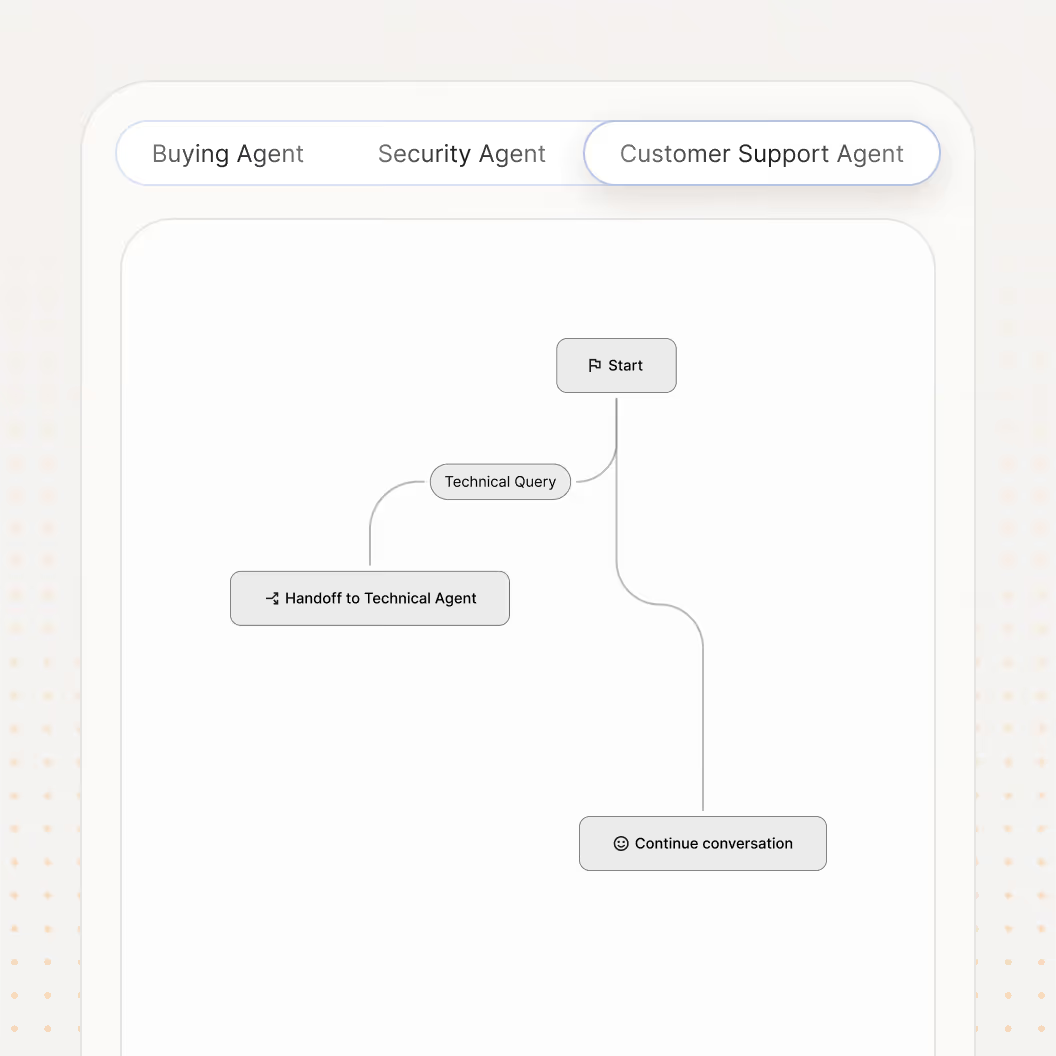
What you get
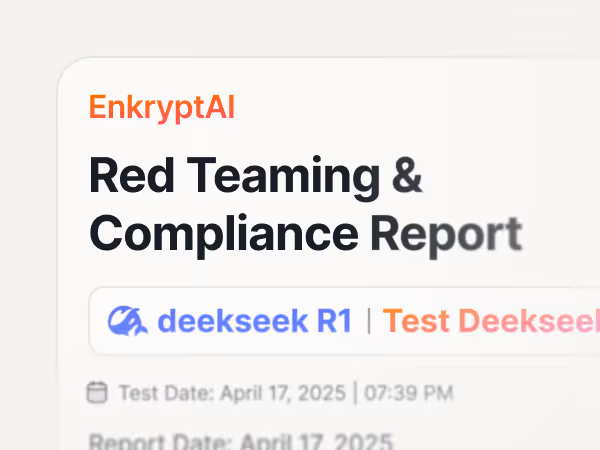
Red Team Report
Executive summary, top risks, and system-level recommendations
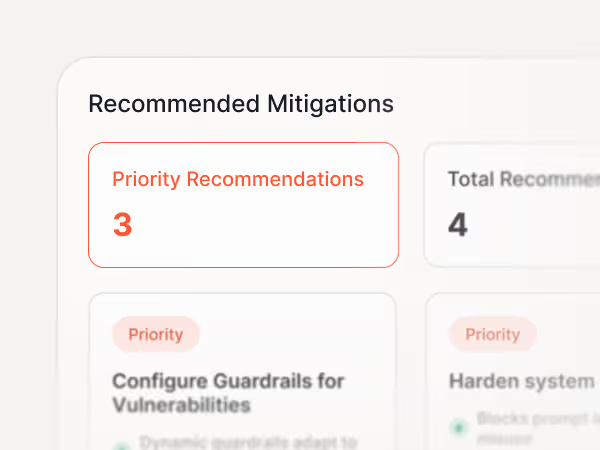
Findings Register
Severity, surface, reproduction steps, and suggested fixes
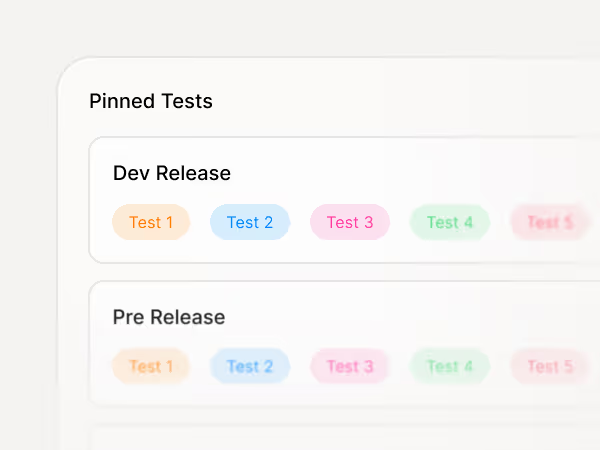
Regression Suite
Pinned tests you can run in CI before each release
Coverage Map
What was tested (agents, RAG, tools, modalities, languages) and what remains
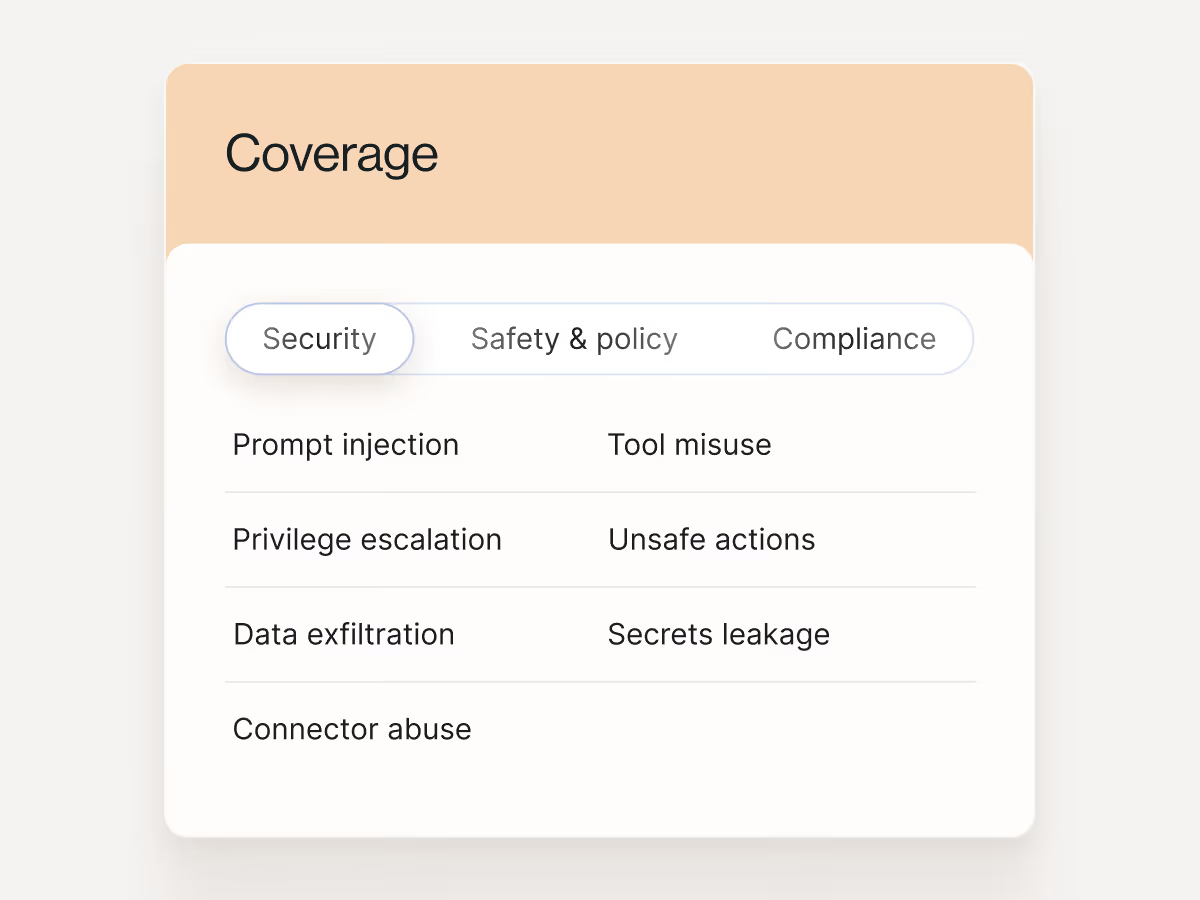
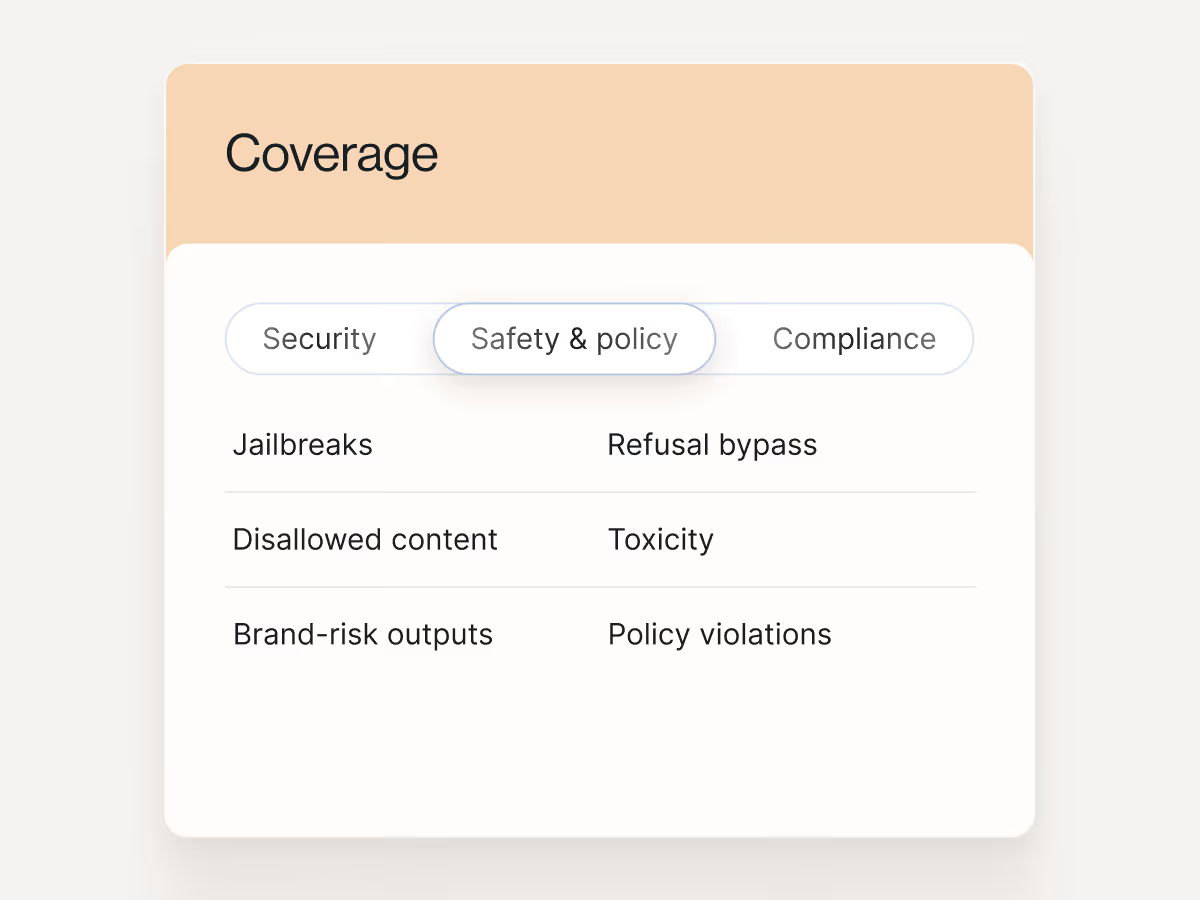
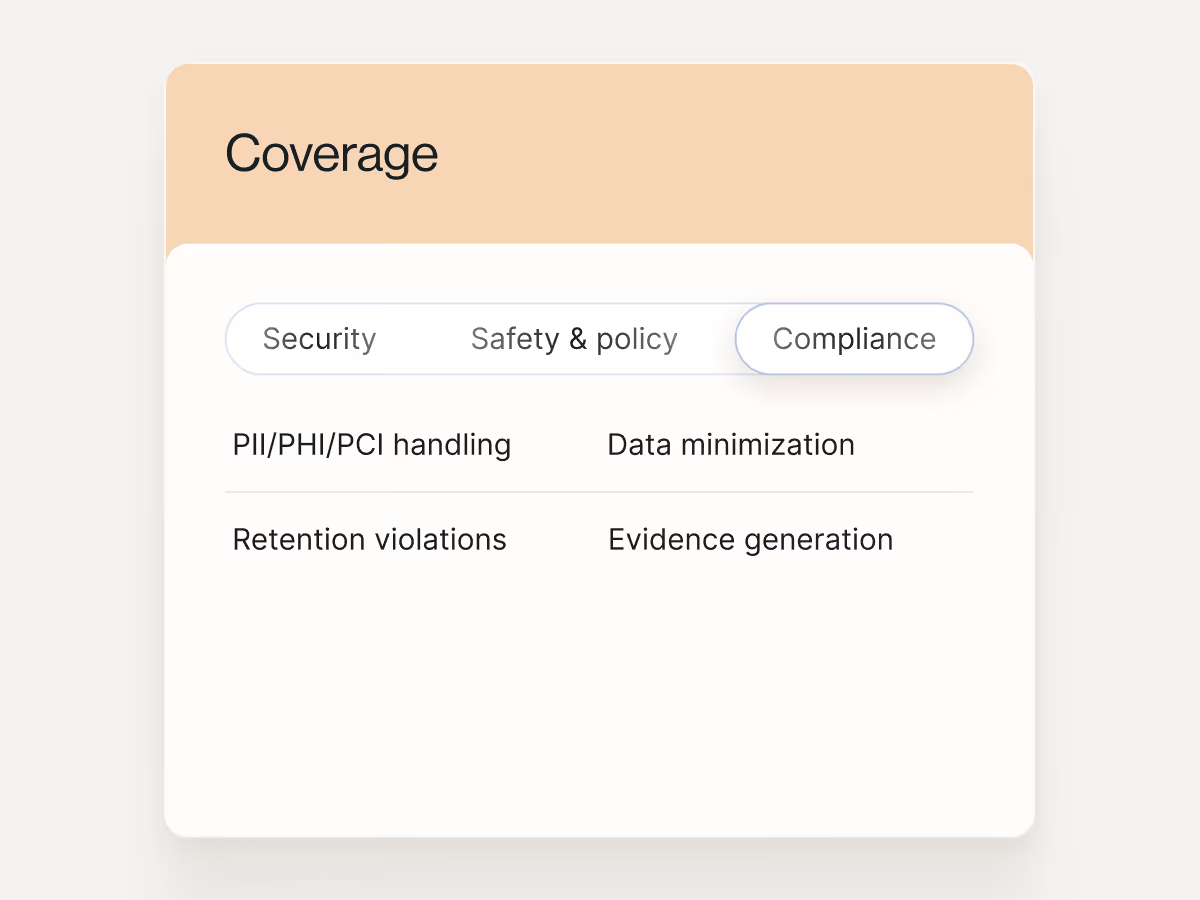
Coverage that maps to real risk
Security
See capabilities
Safety & policy
See capabilities
Compliance
See capabilities
Red Team top models
Choose model

gpt-5.2
claude-3-opus-20240229

gpt-5-nano
claude-3-5-sonnet-20241022
gpt-5-mini
gpt-5-O
Explore more models
Built for production velocity
Run red teaming where you build:
Pre-release gates in CI/CD
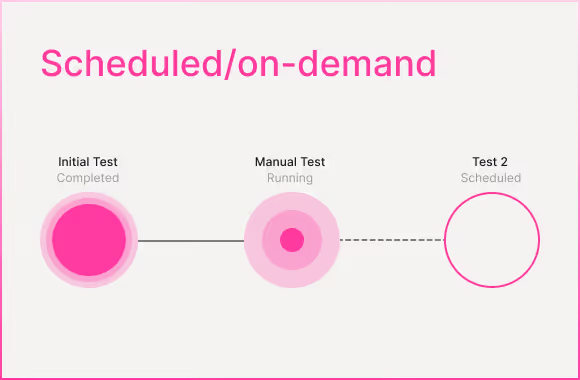
Scheduled and on-demand testing in staging and production
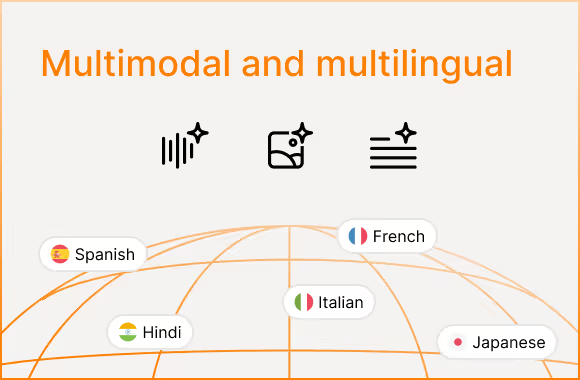
Red team multimodal and multilingual agents
Compliance Mapping (NIST, OWASP, EU AI Act)
Get Started with API in minutes
pip install enkryptai-sdk
from enkryptai_sdk import redteam_client,
RedTeamConfig

redteam_task = redteam_client.add_custom_task(
    config=RedTeamConfig
)

# TASK SUBMITTED!
Go to app.enkryptai.com/redteam to view results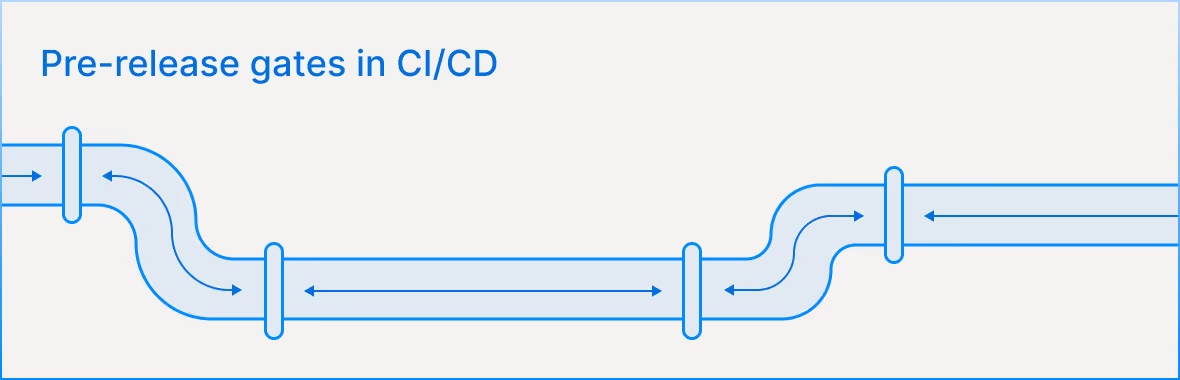
Outputs teams actually use
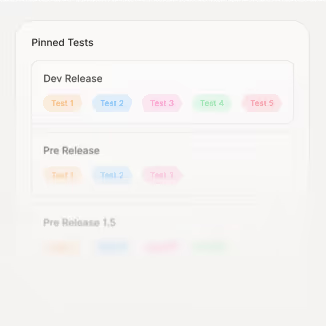
Regression suites to prevent repeat failures
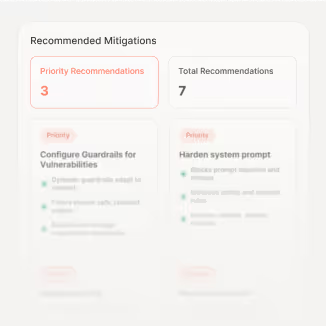
Clear repro steps and remediation guidance
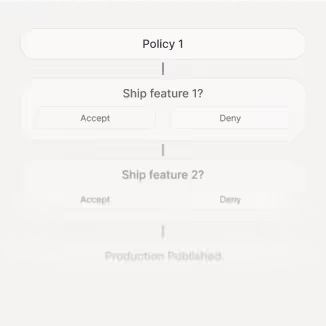
Ship / no-ship decisions tied to policy and risk
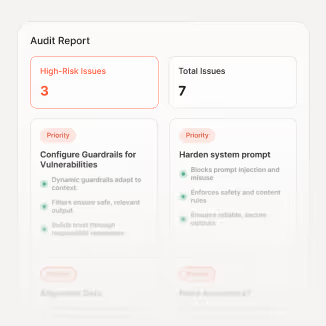
Evidence trails for governance, audits and investigations
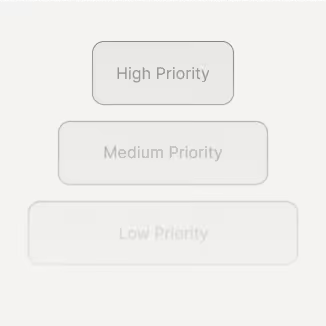
Prioritized vulnerabilities with severity and exploitability context
Exports to tickets, SIEM, and GRC workflows
Frequently Asked Questions
Do you cover “agentic” failures beyond prompt injection?
- Agent goal hijack (objective redirection mid-task)
- Rogue agents (loops/retries/autonomy drift outside intended behavior)
- Cascading failures (one weak link triggers unsafe downstream actions)
- Insecure inter-agent communication (unsafe delegation, message injection, context leakage)
What does “tool misuse” include?
- Unsafe tool calls, unintended tool execution, and over-broad permissions
- Dangerous actions (e.g., sending data externally, modifying records)
- Connector abuse and tool-output prompt injection
How do you test identity and privilege abuse?
- Role bypass attempts, tenant crossover attempts, and privilege escalation
- Policy enforcement by role/tenant/context (where identity is available)
Do you cover supply-chain risk in agent tool ecosystems?
- Agentic supply chain vulnerabilities (untrusted MCP servers/tools, poisoned tool catalogs, unsafe dependencies)
- Allowlist/denylist recommendations and least-privilege checks
Do you test poisoning attacks?
- Memory poisoning (persistent steering via long-term memory / vector stores)
- Retrieval poisoning (RAG sources/web results that manipulate outputs or actions)
Is multimodality included?
- Text, vision, and audio testing
- Image+text prompt smuggling (overlays/hidden instructions)
- Audio injection/transcription manipulation
- Cross-modal chains (image→text→tool, audio→text→tool)
.svg)